
What do October and November feel like in Jaipur?
October usually marks the turn from monsoon humidity toward clearer, drier days, while November often brings pleasant daytime sightseeing and cooler evenings. Neither month is identical each year: late rain can linger, and a warm afternoon can follow a cool dawn. Pack a light layer for early pickups and breathable clothing for walking through forts. The city’s busiest winter period begins to form around the festival calendar, so hotel demand and road traffic can rise near Diwali. Book the vehicle category early if your dates are fixed. Morning light works well for the hill monuments, while the old city is more comfortable after the sun softens. A full-day tour can start at Amer and return toward the walled city later. Ask each attraction about current hours before travelling; seasonal schedules and maintenance closures are not guaranteed to match older online listings.
Why do December and January need two packing layers?
Winter mornings and late nights can feel cold, even when the afternoon is sunny. December and January are popular months for visitors, creating fuller hotel areas and longer queues at headline sites. A light jacket, scarf and comfortable closed shoes help during an early fort visit; layers can be removed as the day warms. Fog or haze may affect visibility and highway timings, so a day trip should keep a flexible arrival estimate. The Jaipur Literature Festival generally takes place in January, but its exact dates and venue program should be confirmed for the year you travel. Kite-flying celebrations around January 14 bring rooftop activity and can change neighbourhood traffic. If you plan both the festival and sightseeing, split them into separate blocks rather than trying to cross town repeatedly.
When does February or March suit a longer walking day?
February is often comfortable for extended outdoor visits, with gentler afternoons than late spring. March warms gradually, and the timing of Holi affects local opening and transport arrangements. Gangaur is an important seasonal celebration in Rajasthan, with processions and public activity that may alter access in central areas. Check event announcements before setting the pickup route, and allow the driver to use a wider approach if streets are closed. These months are helpful for combining Amer’s terraces, the City Palace area and an evening market walk, provided the group takes breaks. Visitors with asthma or pollen sensitivity may want medication readily available during changing weather. The City Palace visitor guide and observatory notes can help you decide which indoor or shaded stop to prioritize.
How should travellers handle April and May heat?
April begins the hot season; May can bring intense daytime sun and heat that makes exposed courtyards uncomfortable. Move the most active sightseeing to early morning, use air-conditioned breaks and carry water in a reusable bottle. A short hotel rest between the fort and old city can be more valuable than adding another monument. Protect children and older adults with hats, sunscreen and a slower pace. A car with effective air-conditioning is important, but passengers should still avoid leaving people or pets in a parked vehicle. If the day becomes too warm, replace a long outdoor walk with Albert Hall Museum or a shaded lunch. Ask whether the site’s ticket hours have seasonal changes rather than assuming the standard winter schedule applies.
What does the June-to-September monsoon bring?
June may begin with pre-monsoon humidity before rains arrive; July and August often bring showers, cloud cover and greener hills. September can still have wet spells, although conditions vary. Rain can make ramparts, steps and roadside parking slippery, and a brief downpour may slow traffic through low-lying streets. Keep a lightweight rain shell, store electronics in a dry bag and ask the driver to avoid waterlogged shortcuts. Monsoon cloud can create dramatic views from Nahargarh, but visibility is not assured. A flexible plan should retain an indoor alternative, such as a museum or café pause. The hill roads may need a cautious pace after rain; do not ask for a hurried descent. Weather forecasts help with planning, but local road conditions should guide the final decision.
Which festivals affect the city’s rhythm?
Diwali illuminations, Teej processions, Gangaur festivities and the January kite season each change the feel of Jaipur. Teej celebrations are associated with monsoon and involve public movement through parts of the historic city. Gangaur follows a different calendar and can bring ceremonial activity around old-city streets. Diwali dates shift annually, and shop hours may extend or change. Makar Sankranti kite events cluster around January 14, when rooftops and traffic are especially lively. The Jaipur Literature Festival draws visitors in January; check official dates and its venue before booking a transfer. These are living celebrations, not staged attractions. Ask permission before photographing participants, respect barricades and expect temporary diversions. If a festival is your reason for coming, schedule sightseeing around the event instead of attempting a standard circuit during procession hours.
Where can each season’s light be enjoyed?
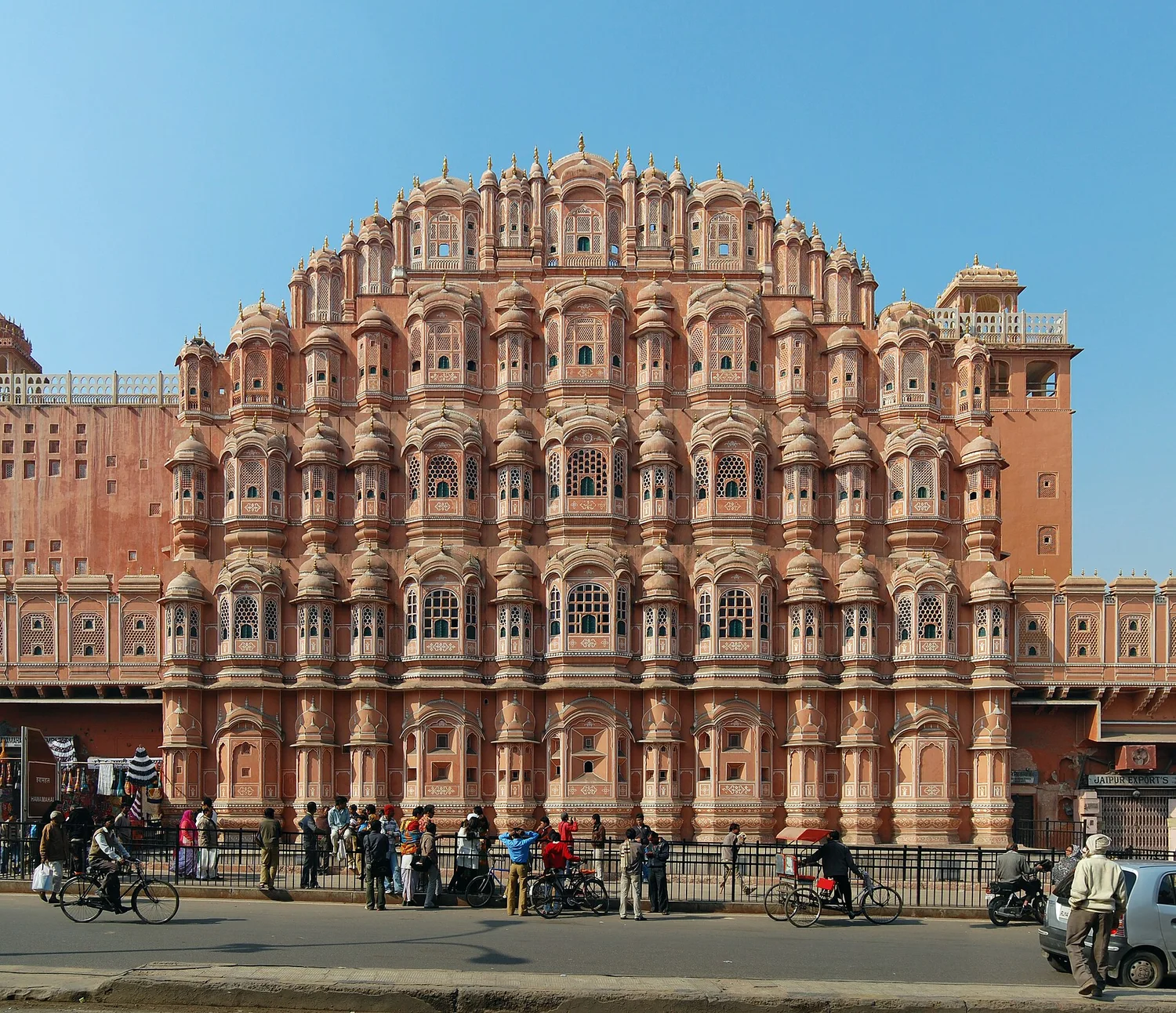
Early mornings are useful through the year for Amer, where shaded courtyards become more comfortable before late-day heat. Winter afternoons suit the observatory’s open instruments and the palace precinct, while clear evenings can reward a ridge view. In monsoon months, cloud breaks create changing light over Man Sagar Lake, but the same weather may obscure distant views. Hawa Mahal’s façade is easiest to appreciate when the street is not at its busiest; the best photographic moment depends on sun direction and safe pedestrian access. Never step into a live traffic lane for a picture. Ask your driver to choose a legal pull-in rather than stopping abruptly. The Nahargarh Fort page explains why the sunset approach needs a time buffer.
Who should avoid planning by month alone?
Families with young children, travellers with mobility needs and anyone arriving for a fixed ceremony should use actual opening notices rather than broad seasonal averages. A comfortable month does not remove stairs at Amer or queues at a shrine. Check every site’s operating information close to the visit date, and keep one flexible hour in the schedule. Visitors who dislike crowds may prefer weekdays outside major holidays, while festival-goers may welcome the bustle. Temperatures differ between open ridge areas and shaded courtyards, so carry layers even when the forecast seems simple. The local car service can adjust pickup and stop order when you share the event, hotel and walking requirements.
How far ahead should a seasonal trip be booked?
For winter weekends, Diwali, New Year and festival dates, reserve lodging and a suitable car as soon as the itinerary is stable. Shoulder-season weekdays may allow more flexibility, but popular monuments still draw visitors. Send the driver your hotel address, arrival time, passenger count and luggage details; a transfer vehicle and sightseeing car may be different needs. Ask whether the car is held for a fixed hour block, whether overtime is billed and which expenses are separate. Weather-related changes should be discussed before the ride, not improvised in a crowded lane. A night circuit can be a separate booking when daytime heat makes an evening outing more appealing.